

The last two weeks have felt like an endless game of pass-the-problem, only no one seems to want to catch it. That’s the reality of navigating NHS challenges as a live-in carer—you’re the one trying to connect all the missing pieces while keeping your client safe and comfortable.
Continue reading “When the NHS Feels Like a Maze”Sharing is caringLeaving a Placement: The Bittersweet Goodbye

No matter how many times I do this job, I never quite get used to the goodbyes.
There’s a quiet sort of ache that comes with leaving a care placement. Sometimes it’s expected — a planned discharge, a return home, a family stepping in. Other times, it comes with loss. But no matter the reason, walking out of a home where you’ve lived, worked, and cared always feels heavier than you think it will.
Continue reading “Leaving a Placement: The Bittersweet Goodbye”Sharing is caringThe Bonds We Build: When Carers Become Family
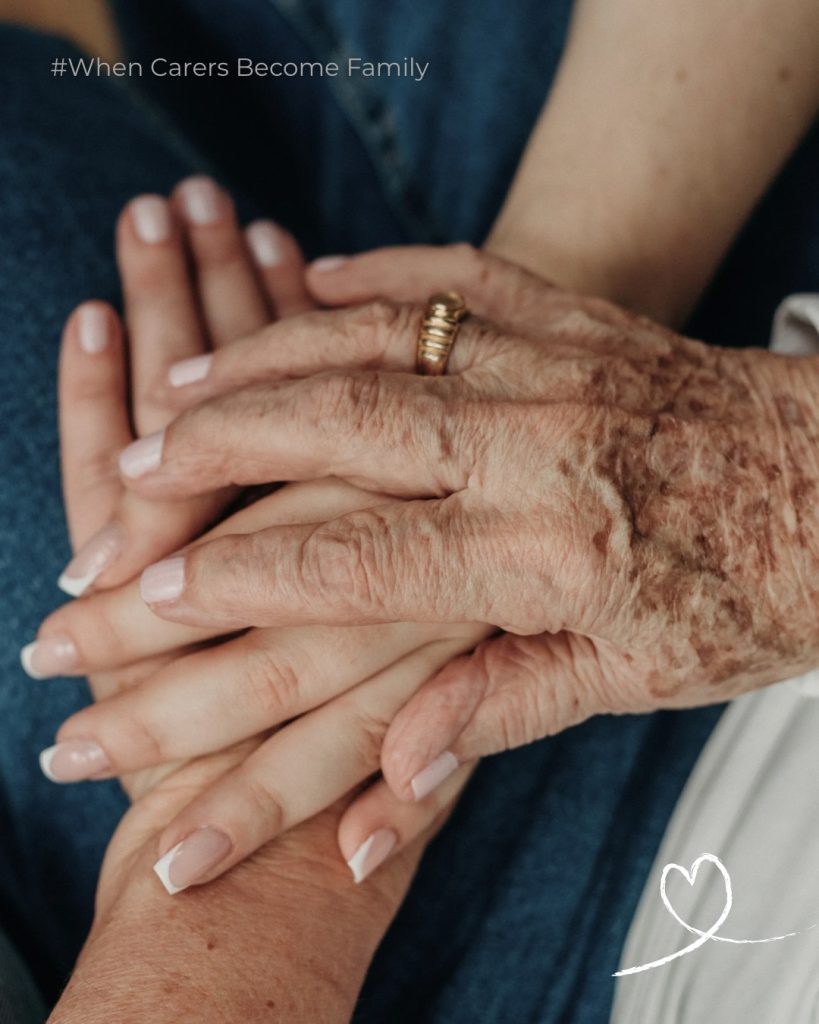
I didn’t realise how easy professional boundaries blur, especially when you live in someone’s home and their routine becomes yours. Live-in care is a job, but sometimes it becomes something much more human. Something more complicated. Something more tender.
Continue reading “The Bonds We Build: When Carers Become Family”Sharing is caringPerson-Centred Care: Tailoring Support to Your Client’s Unique Needs
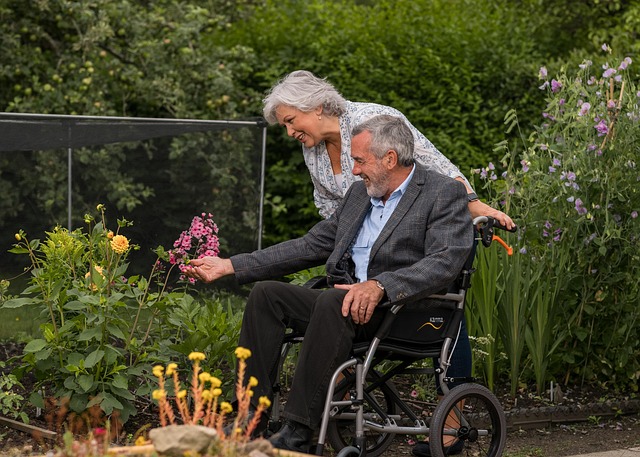
Person-centred care starts with a simple yet revolutionary concept: seeing the individual as a whole person, not just their care needs, their condition, or a task to be ticked off in the care plan. That means we, as carers, look past the medical or care needs and try to see the person in front of us. Each one of us has a whole life before we might need support, and we are still living it just as the individual we are looking after. Therefore, we as carers must take the time to discover their stories, what they value, and how they like things to be done, and then we can honour them as the unique individuals they are.
Let’s take a closer look at how we can make the individuals the centre of their care.
Continue reading “Person-Centred Care: Tailoring Support to Your Client’s Unique Needs”Sharing is caringWhat’s Actually in My Suitcase: Live-In Carer Essentials That Make All the Difference

You know that feeling when you’re about to start a new placement, staring at your empty suitcase, wondering what on earth you’re going to need? Yeah, I’ve been there. Too many times, actually. I remember my first job – I packed like I was going on a weekend city break. Big mistake. I ended up in a gorgeous countryside cottage that was absolutely miles from anywhere. No corner shop, no pharmacy, and definitely no late-night takeaway. I learned pretty quickly that being prepared isn’t just helpful – it’s essential for your sanity.
Continue reading “What’s Actually in My Suitcase: Live-In Carer Essentials That Make All the Difference”Sharing is caringDuty of Care vs. Individual Rights: Finding the Balance

Working in adult social care means constantly navigating the delicate balance between two equally important responsibilities. The challenge of duty of care vs individual rights is at the heart of this work—you want to keep the people you support safe and protected, but you also know they have the right to make their own choices, even when those choices might involve some risk.
What I’ve Learned About Patience

Patience isn’t something that is taught in carer’s training. They cover moving and handling techniques, medication schedules, and emergency procedures. Still, no one prepares you for the kind of patience that comes from watching someone you care about struggle with the simple act of buttoning down a shirt for twenty minutes. Or when the same question is asked repeatedly in an hour, with the same genuine confusion.
Continue reading “What I’ve Learned About Patience”Sharing is caringUnderstanding Duty of Care in Live-in Care

Live-in care allows individuals to receive the support they need while staying in their own homes. It’s about providing personalised care in a familiar environment, which can have a profound impact on quality of life. However, with this privilege comes a significant responsibility, which we refer to as the duty of care.
Continue reading “Understanding Duty of Care in Live-in Care”Sharing is caringHow Live-in Care Changes the Carer

When I first came to the UK and started working as a live-in carer, I thought it would be temporary—just for a couple of years—before returning home or doing something different. That was more than a decade ago. What I didn’t realise then was just how live-in care changes the carer—not suddenly, but slowly, deeply, and in ways you only recognise with time.
Continue reading “How Live-in Care Changes the Carer”Sharing is caringThe Fight for Dignity in Adult Care: A Carer’s Perspective

I recently came across an article in The Guardian about individuals being turned away from state-funded social care due to funding shortages. Never thought I would find myself writing on a topic with political undertones—but as a carer, I see the real impact. I see what it does to families who have support, and I see the emotional and physical toll when they don’t. What’s unfolding isn’t just a funding issue—it’s a growing crisis that undermines dignity in adult care.
Continue reading “The Fight for Dignity in Adult Care: A Carer’s Perspective”Sharing is caring